
Swimmer's Skin: Preventing and Treating Pool- and Lake-Related Skin Issues
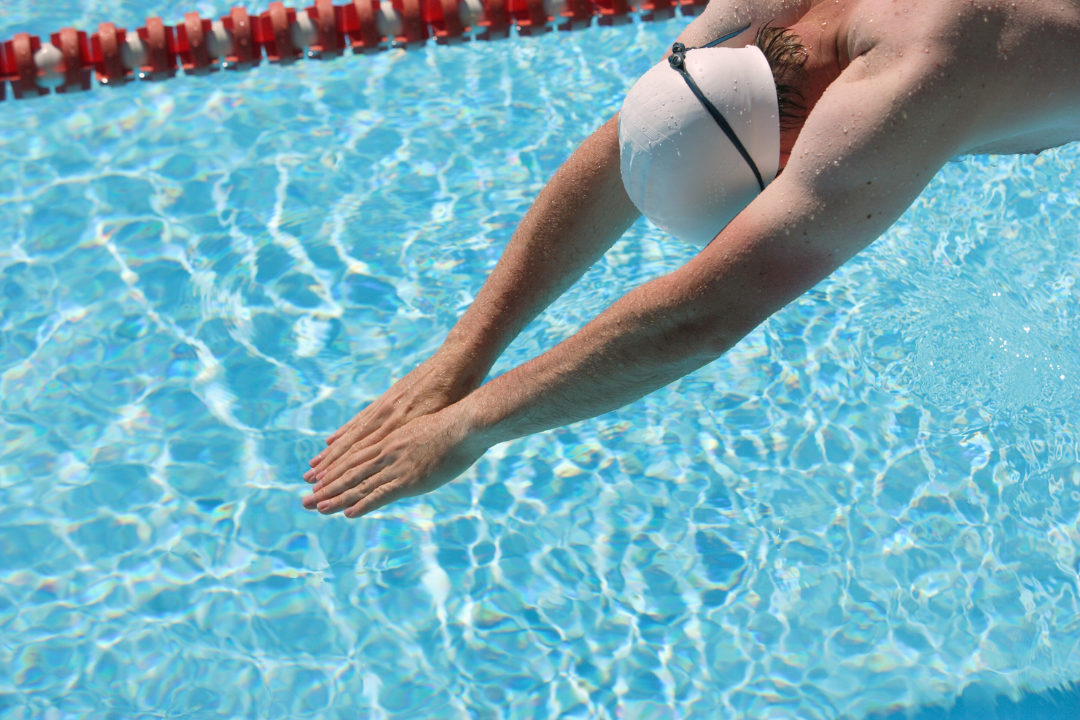
Nothing beats cooling off in a backyard pool or spending an afternoon on the French Broad River when Asheville summer temperatures climb. But time in the water, whether chlorinated or natural, can leave your skin dry, irritated, or reacting to something you can't even see. Here is what to watch for and how to protect your skin before your next swim.
Chlorine and Dry, Irritated Skin
That tight, dry feeling after a day at the pool is not your imagination. Chlorine is designed to kill bacteria in the water, but in the process, it also strips away the skin's natural protective oils, leaving it more prone to dryness and irritation. Rinse off with cool or lukewarm water as soon as you get out of the pool, and follow up with a gentle, fragrance-free moisturizer to help restore hydration and support your skin's barrier.
Swimmer's Itch
If you have ever left a lake with tiny itchy red bumps on the skin that weren't covered by your swimsuit, you may have experienced swimmer's itch. This reaction happens when microscopic parasites released by infected snails into fresh or salt water briefly burrow into the skin, triggering an allergic reaction. It is not contagious and will typically clear on its own within a few days, though it can occasionally last up to two weeks.
The best prevention is simple. Towel off briskly and shower with fresh water as soon as you get out of the water, since the parasites responsible only survive briefly outside their host. Avoid swimming near marshy areas or dense weeds, where snails tend to gather, and pay attention to any posted water advisories at your favorite swimming spot.
Sun Protection Doesn't Stop at the Water's Edge
A day of swimming often means hours of direct and reflected sun exposure. Water and wet skin can make it easy to forget reapplication, but sunscreen still needs regular attention during and after swimming. Choose a broad-spectrum, water-resistant sunscreen of at least SPF 30, and reapply every two hours or immediately after toweling off, since no sunscreen holds up indefinitely in water.
A Simple Poolside and Lakeside Routine
Shower briefly before swimming to reduce how much chlorinated or lake water your skin absorbs.
Apply a water-resistant SPF 30 or higher sunscreen at least 15 minutes before getting in the water.
Rinse off promptly after swimming and towel dry.
Follow up with a gentle cleanser and a fragrance-free moisturizer to replenish hydration.
Reapply sunscreen every two hours if you are in and out of the water throughout the day.
When to Call Our Office
Most pool- and lake-related skin reactions resolve within a few days with basic at-home care. If a rash spreads, blisters, becomes painful, or shows signs of infection such as warmth, swelling, or pus, give us a call at (828) 253-2533. We are happy to take a look and help you get back to enjoying the water.
References
American Academy of Dermatology. (n.d.). How to apply sunscreen. American Academy of Dermatology. https://www.aad.org/public/everyday-care/sun-protection/shade-clothing-sunscreen/how-to-apply-sunscreen
American Academy of Dermatology. (n.d.). Sunscreen FAQs. American Academy of Dermatology. https://www.aad.org/media/stats-sunscreen
Centers for Disease Control and Prevention. (2024). About swimmer's itch. U.S. Department of Health and Human Services. https://www.cdc.gov/swimmers-itch/about/index.html
Cleveland Clinic. (2021). Swimmer's itch (cercarial dermatitis). Cleveland Clinic. https://my.clevelandclinic.org/health/diseases/21783-swimmers-itch-cercarial-dermatitis
