
Heat Rash and Sweat-Related Breakouts: Why Summer Humidity Triggers Skin Problems
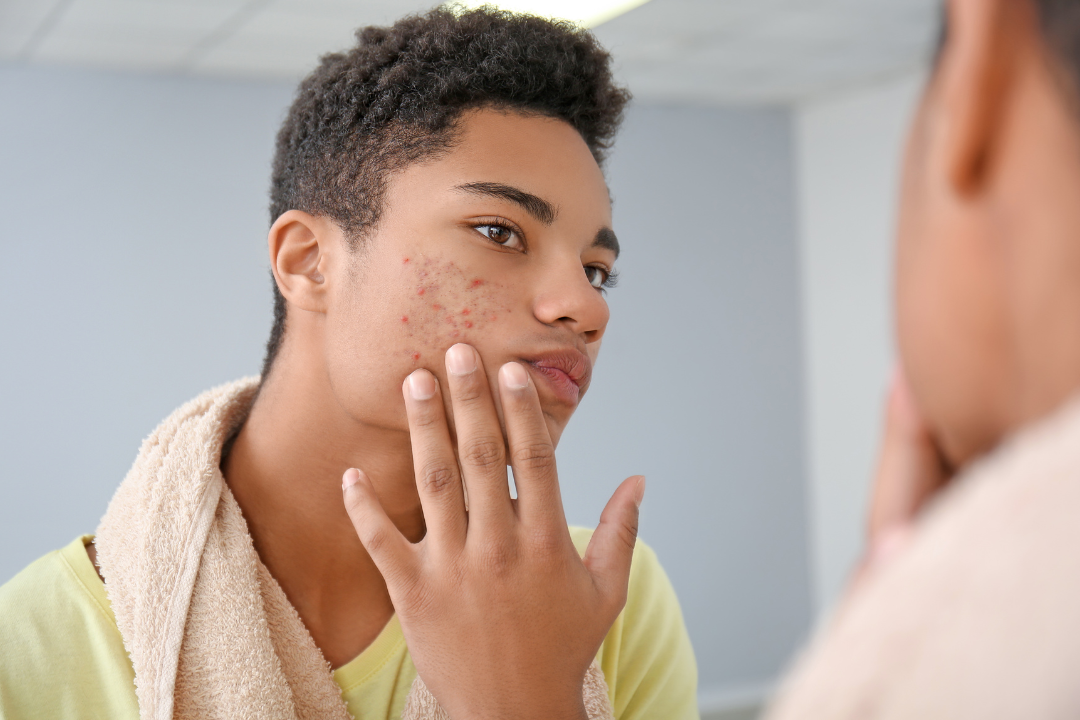
Asheville summers bring warmth and humidity that can be tough on your skin, especially if you spend time hiking, gardening, or simply enjoying the outdoors. Two of the most common warm-weather skin complaints we see in our office are heat rash and sweat-related breakouts. Understanding why they happen makes it much easier to prevent them.
What Causes Heat Rash
Heat rash, also called prickly heat or miliaria, develops when sweat becomes trapped in the skin rather than evaporating normally. When there is too much heat and humidity, sweat glands can become blocked, and the skin is unable to release sweat effectively, leading to redness and small, itchy bumps. Symptoms can range from small, clear blisters to deeper, inflamed bumps, and adults most often notice heat rash in skin folds or areas where clothing rubs against the skin.
The good news is that heat rash usually resolves quickly once the skin cools down. Prevention centers on dressing in loose, lightweight clothing that wicks moisture away from the skin, limiting physical activity during peak heat, and staying in the shade, air conditioning, or in front of a fan when possible. If you already have a heat rash, avoid oily or greasy moisturizers, cosmetics, and sunscreens, since these can further block pores and slow healing.
Why Sweat Triggers Breakouts
Heat rash and acne share a similar root cause: blocked pores. When sweat mixes with oil and bacteria naturally present on the skin, it can clog pores and lead to breakouts, particularly on the chest, back, and hairline. Blotting sweat from your skin with a clean towel or cloth, rather than wiping it, helps prevent this buildup from settling into your pores.
Choosing the right products also matters. Heavy, comedogenic sunscreens and moisturizers can worsen sweat-prone breakouts, so look for products labeled "non-comedogenic" or "oil free," especially for products you apply to your face and chest during the summer months.
A Few Habits That Help Both Conditions
Wear breathable, moisture-wicking fabrics instead of tight or synthetic clothing
Shower promptly after sweating heavily, using a gentle cleanser
Save outdoor exercise for cooler parts of the day when possible
Keep skincare products lightweight, oil-free, and non-comedogenic during peak summer heat
When It's More Than a Rash
Most cases of heat rash and sweat-related breakouts clear up within a few days with these simple changes. If you notice signs of infection, such as warmth, pus, or worsening pain, or if breakouts persist despite an adjusted routine, our team at Dermatology of North Asheville can help. Call us at (828) 253-2533 to schedule an appointment.
References
American Academy of Dermatology. (n.d.). 12 summer skin problems you can prevent. American Academy of Dermatology. https://www.aad.org/public/everyday-care/skin-care-secrets/routine/prevent-summer-skin-problems
Mayo Clinic. (2022a). Heat rash: Symptoms and causes. Mayo Foundation for Medical Education and Research. https://www.mayoclinic.org/diseases-conditions/heat-rash/symptoms-causes/syc-20373276
Mayo Clinic. (2022b). Heat rash: Diagnosis and treatment. Mayo Foundation for Medical Education and Research. https://www.mayoclinic.org/diseases-conditions/heat-rash/diagnosis-treatment/drc-20373282
