
What to Do When You Get a Sunburn: Advice from an Asheville Dermatologist
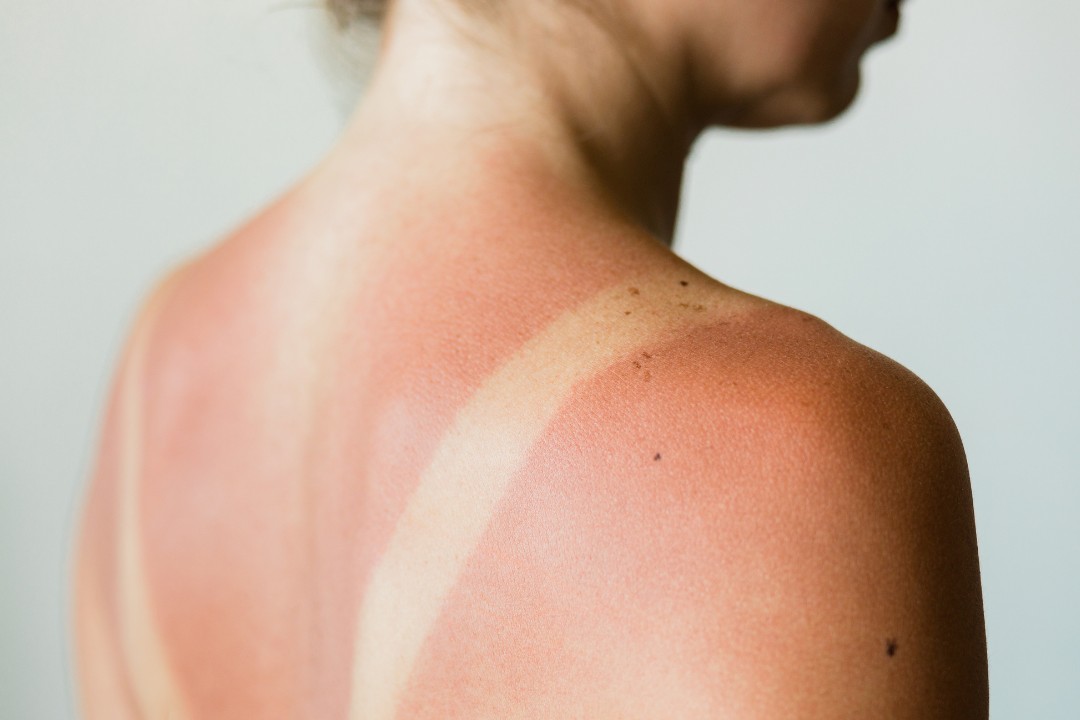
Summer in Asheville means hiking the Blue Ridge Parkway, afternoons at the French Broad River, and plenty of time outdoors in the mountain sunshine. And for many of us, it also means an occasional sunburn. Despite our best intentions, it happens; and when it does, knowing how to respond makes a real difference for your skin and your health.
Here's what we recommend at Dermatology of North Asheville when a sunburn strikes.
What's Actually Happening to Your Skin
A sunburn isn't just surface-level irritation. It's an inflammatory response triggered by ultraviolet (UV) radiation, damaging the outermost layers of your skin. By definition, a sunburn is too much skin damage induced by the sun's ultraviolet rays, resulting in redness, peeling, swelling, and even blistering. UVB rays are the primary culprit behind that painful burn, while UVA rays contribute to deeper, longer-term skin damage.
The discomfort typically begins to appear within a few hours of sun exposure. Most mild sunburns resolve on their own within a few days to a week — but the story doesn't end there. The damage to the DNA in your skin cells is permanent. Each sunburn adds to your risk of developing skin cancer.
How to Relieve the Pain at Home
For mild to moderate sunburns, these at-home steps can ease discomfort and support healing:
Get out of the sun immediately. This seems obvious, but the moment you notice a burn, move indoors or into the shade. Additional UV exposure will only deepen the damage.
Cool the skin. Take cool baths or showers to help relieve any pain. Afterward, gently pat your skin dry. You can also apply a cool, damp washcloth to affected areas. Avoid ice directly on the skin, which can cause further damage.
Moisturize while skin is still damp. Soothe your sunburn by applying moisturizer containing aloe vera or soy while your skin is still damp and whenever you feel discomfort. You can also apply calamine lotion or take a colloidal oatmeal bath. Aloe vera is a go-to recommendation among dermatologists for its cooling and anti-inflammatory properties. Experts recommend avoiding moisturizers made with fragrances and alcohols, which may cause further irritation, especially if you have sensitive skin.
Take an over-the-counter anti-inflammatory. Taking aspirin or ibuprofen can help reduce swelling and discomfort from your sunburn. These work best when taken early, before the inflammation fully sets in.
Hydrate, hydrate, hydrate. Drink extra water, as having a sunburn can make you dehydrated. Your skin is working hard to repair itself, and adequate hydration supports that process from the inside out.
Leave blisters alone. Do not pop sunburn blisters. A blister means you have a second-degree sunburn. Allowing blisters to heal instead of popping them protects you from infection. Keep blisters clean and apply petroleum jelly to protect them while they heal.
Protect peeling skin. As your skin begins to peel in the days following a burn, resist the urge to pull or pick at it. This is your body's natural healing process. Continue moisturizing and keep the area out of the sun.
When to Call a Dermatologist
Most sunburns can be managed at home, but some require professional attention. Signs of a worsening sunburn that require medical attention include high fever, chills, or nausea, or pus or swelling of the skin, which is a potential sign of a skin infection.
You should also seek care promptly if:
The burn is accompanied by blisters that cover more than 20% of your body.
Your skin shows signs of infection, such as swelling or pus, or blisters that turn yellow or red over time.
You experience extreme pain that isn't managed by over-the-counter medications
You have a fever of more than 102 degrees Fahrenheit, signs of dehydration such as dizziness, dry mouth, fatigue, or reduced urination.
These can be signs of sun poisoning (a severe form of sunburn) or another serious heat-related condition. In these cases, IV fluids, prescription-strength topical treatments, steroids, or other medications may be needed.
The Bigger Picture: Sunburns and Skin Cancer
We want our patients to understand that a sunburn is never "just" a sunburn. Sunburn accelerates skin aging and is a leading cause in the majority of cases of basal cell carcinoma, squamous cell carcinoma, and melanoma, the deadliest form of skin cancer.
The cumulative effect matters, too. Your risk of developing potentially deadly melanoma doubles with a history of five or more sunburns. And it's not only severe burns that cause damage. No matter how mild, every burn is a sign of injury to your skin that can result in premature aging and skin cancer.
This is exactly why annual skin cancer screenings are so important, particularly if you've experienced repeated or significant sunburns over your lifetime. A dermatologist visit isn't just for when something goes wrong; it's an opportunity to assess cumulative sun damage and catch any concerning changes early, when they're most treatable.
Recovering from a Sunburn the Right Way
A sunburn serves as a good reminder to recommit to sun protection going forward. Once your skin has healed, keep these habits in place:
Apply broad-spectrum SPF 30 or higher sunscreen every day, and reapply every two hours when outdoors
Wear protective clothing, wide-brimmed hats, and UV-blocking sunglasses
Seek shade during peak UV hours, typically between 10 a.m. and 4 p.m.
Schedule your annual skin check if you haven't already
References
American Academy of Dermatology Association. How to treat a sunburn. Updated May 20, 2024. https://www.aad.org/public/everyday-care/sun-protection/sunburn/treat-sunburn
Skin Cancer Foundation. Sunburn. https://www.skincancer.org/risk-factors/sunburn/
Cleveland Clinic. Sunburn: Symptoms & Treatment. Updated November 2025. https://my.clevelandclinic.org/health/diseases/21858-sunburn
Northwestern Medicine. When Should I See a Physician for Sunburn? https://www.nm.org/healthbeat/healthy-tips/when-should-i-see-a-physician-for-sunburn
Mayo Clinic. Sunburn: First Aid. https://www.mayoclinic.org/first-aid/first-aid-sunburn/basics/art-20056643
Vanchinathan V, American Academy of Dermatology. Board-certified dermatologist shares 5 tips for Skin Cancer Awareness Month. May 21, 2024. https://www.aad.org/news/how-to-treat-a-sunburn
