
Back to School, Back to Breakouts: Managing Teen Acne, Sports Gear Skin Issues, and Locker Room Infections
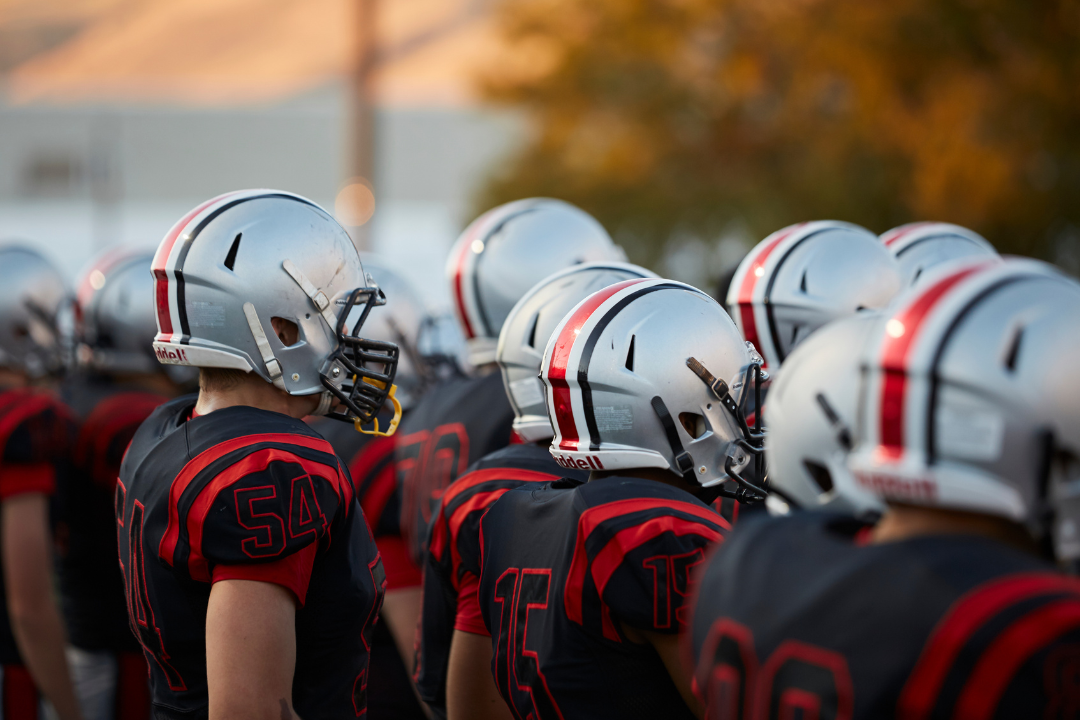
As Asheville families settle back into the school year routine, backpacks are not the only thing making a comeback. For many teens, fall sports season brings a familiar wave of skin concerns, from stubborn breakouts along the jawline to itchy patches picked up in shared locker rooms. At Dermatology of North Asheville, we see a noticeable uptick in these cases every September, and most of them are easy to manage once you know what to look for.
Here is what parents and student-athletes should know as practices, games, and hallway hustle get back into full swing.
Hormonal Acne Gets Complicated by Practice Schedules
Teenage skin is already navigating hormonal shifts, and adding daily practices, tight schedules, and rushed showers into the mix rarely helps. Sweat, humidity, and less time for a proper skincare routine can all contribute to more frequent or more stubborn breakouts during the school year.
The fix does not have to be complicated. Encourage your teen to wash their face morning and night with a gentle cleanser, resist the urge to over-scrub after a sweaty practice, and keep a small stash of oil-free, non-comedogenic products in their gym bag for a quick post-practice cleanup. If over-the-counter options are not cutting it after a few weeks, it may be time for a visit with us to discuss prescription-strength treatments.
Acne Mechanica: When Gear Is the Culprit
Not every breakout is hormonal. A specific type called acne mechanica shows up in the exact spots where equipment presses against the skin; think a line of bumps under a chin strap, across the forehead beneath a helmet, or along the shoulders where a backpack strap sits. This type of acne develops when friction, heat, and trapped sweat irritate hair follicles, and it can affect athletes in nearly any sport where gear rubs against skin.
The good news is that acne mechanica is highly preventable. A few simple habits go a long way:
Place a clean layer of padding or a moisture-wicking barrier between skin and equipment when possible
Wash helmets, pads, and straps regularly, not just uniforms
Shower and change out of sweaty gear as soon as practice ends rather than lingering in it
Choose moisture-wicking fabrics over cotton for anything worn tight against the skin
If breakouts persist despite these changes, our office can help tailor a treatment plan that accounts for your child's specific sport and gear.
Locker Rooms Are a Hotspot for Fungal and Bacterial Skin Infections
Shared showers, mats, and equipment create ideal conditions for a few contagious skin conditions that tend to spike once fall sports begin.
Ringworm (tinea corporis) is a fungal infection, not an actual worm, that causes an itchy, ring-shaped rash with a clearer center. It spreads easily through skin-to-skin contact, which is why it shows up so often on wrestling teams, and can also be picked up from contaminated mats, towels, or locker room surfaces.
Athlete's foot (tinea pedis) is a close relative of ringworm that thrives in the warm, damp environment inside sneakers and locker room showers. Peeling, cracking, or itching between the toes are the classic early signs.
Staph and MRSA infections are another concern, particularly for athletes in contact sports. Turf burns, blisters, and even an ingrown toenail can become an entry point for bacteria, so any cut or abrasion that becomes red, swollen, or warm to the touch should be checked out promptly rather than watched and waited on.
A few habits can meaningfully cut down the risk of all three:
Wear sandals or flip-flops in locker room showers rather than going barefoot
Shower promptly after practice or competition
Avoid sharing towels, razors, or personal grooming items
Keep any cuts, scrapes, or blisters clean and covered during play
Report new rashes or sores to a coach or parent early rather than waiting for them to worsen
Most fungal infections respond well to over-the-counter antifungal treatment, but a rash that has not improved within two weeks, or one that is spreading quickly, warrants a dermatology visit. The same goes for anything that looks like it could be a bacterial infection, since early treatment matters for both the individual athlete and the rest of the team.
When to Bring Your Student Athlete In
A good rule of thumb for parents: if a skin issue is painful, spreading, oozing, or simply not improving with basic at-home care after a couple of weeks, it is worth having a dermatologist take a look. Catching these issues early keeps your teen comfortable, on the field, and less likely to pass anything along to teammates.
References
American Academy of Dermatology. (n.d.). Is sports equipment causing your acne? American Academy of Dermatology Association. https://www.aad.org/public/diseases/acne/causes/sports-equipment
Centers for Disease Control and Prevention. (n.d.). Symptoms of ringworm. U.S. Department of Health and Human Services. https://www.cdc.gov/ringworm/signs-symptoms/index.html
Mayo Clinic. (2022, April 26). Ringworm (body): Symptoms and causes. Mayo Foundation for Medical Education and Research. https://www.mayoclinic.org/diseases-conditions/ringworm-body/symptoms-causes/syc-20353780
American Academy of Dermatology. (2011, February). Athletes prone to a rash of skin conditions [Press release summary]. ScienceDaily. https://www.sciencedaily.com/releases/2011/02/110205140049.htm
