
What Your Skin Reveals About Heart Health
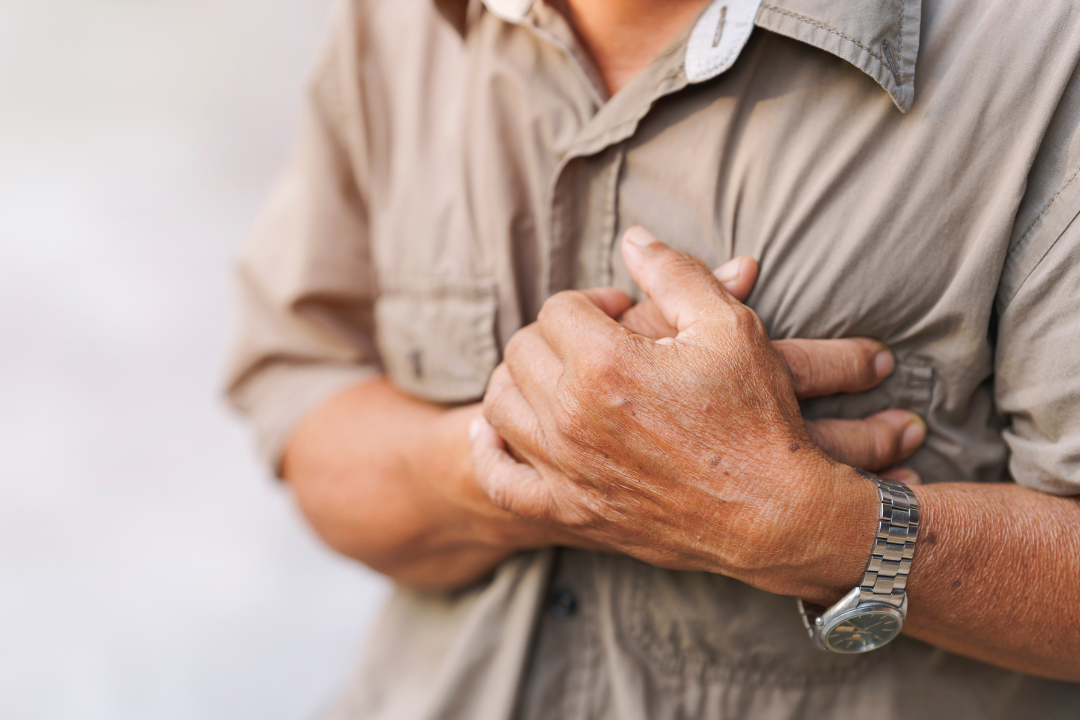
February is Heart Disease Awareness Month, and while you might not immediately connect heart health with dermatology, the relationship between your cardiovascular system and your skin is more significant than you might think. At Dermatology of North Asheville, we believe in whole-body wellness—and that includes understanding how your heart health affects your largest organ.
Your Skin as a Window to Heart Health
Your skin can reveal important clues about your cardiovascular health. Several skin conditions and changes may indicate underlying heart disease or increased cardiovascular risk:
Xanthomas and Xanthelasmas
These yellowish deposits of cholesterol under the skin, particularly around the eyelids (xanthelasmas) or on tendons, can signal high cholesterol levels—a major risk factor for heart disease. Research shows that individuals with xanthelasma have a significantly increased risk of heart attack and cardiovascular disease, independent of other risk factors.
Earlobe Creases
A diagonal crease across the earlobe, known as Frank's sign, has been associated with coronary artery disease in multiple studies. While not definitive, this simple visible marker may warrant cardiovascular screening.
Blue or Purple Skin Discoloration
Cyanosis, a bluish tint to the skin, lips, or nail beds, can indicate poor oxygen circulation—a potential sign of heart or lung problems requiring immediate medical attention.
Edema and Leg Swelling
Persistent swelling in the legs, ankles, or feet may indicate heart failure or poor circulation. When the heart struggles to pump effectively, fluid accumulates in the lower extremities.
Spider Veins and Varicose Veins
While often considered primarily cosmetic concerns, visible vein issues can sometimes reflect broader circulatory problems worth discussing with your healthcare providers.
Shared Risk Factors
Many factors that harm your heart also damage your skin:
Smoking
Tobacco use accelerates both atherosclerosis and skin aging. Smoking reduces blood flow to the skin, depletes oxygen and nutrients, and breaks down collagen and elastin—the same processes that damage blood vessels and increase heart disease risk.
Poor Nutrition
Diets high in processed foods, refined sugars, and unhealthy fats contribute to both cardiovascular disease and inflammatory skin conditions. The Mediterranean diet, rich in omega-3 fatty acids, fruits, vegetables, and whole grains, benefits both heart and skin health.
Chronic Inflammation
Systemic inflammatory conditions like psoriasis have been linked to increased cardiovascular risk. Studies show that individuals with severe psoriasis have a higher incidence of heart attack and stroke, highlighting the interconnected nature of inflammatory processes throughout the body.
Lack of Exercise
Physical inactivity increases heart disease risk while also reducing circulation to the skin, potentially affecting wound healing and overall skin health.
Heart-Healthy Habits for Better Skin
The good news? Many lifestyle choices that protect your heart also benefit your skin:
Maintain a nutrient-rich diet: Focus on colorful fruits and vegetables, lean proteins, whole grains, and healthy fats
Exercise regularly: Aim for at least 150 minutes of moderate activity weekly to improve circulation
Don't smoke: If you smoke, quitting is the single best thing you can do for both heart and skin health
Manage stress: Chronic stress affects both cardiovascular and skin health
Get quality sleep: Poor sleep is linked to both heart disease and skin problems
Stay hydrated: Proper hydration supports circulation and skin function
Protect your skin from the sun: UV damage creates oxidative stress that may affect cardiovascular health
When to Seek Medical Attention
If you notice any of these skin changes, schedule appointments with both your dermatologist and primary care physician:
New yellowish deposits around your eyes or on your skin
Sudden onset of leg swelling
Blue or purple discoloration of skin or nails
Unusual skin changes accompanied by chest pain, shortness of breath, or fatigue
New diagonal earlobe creases, especially if you have other cardiovascular risk factors
A Holistic Approach to Health
At Dermatology of North Asheville, we recognize that your skin health doesn't exist in isolation. This Heart Disease Awareness Month, we encourage our patients to think about their overall wellness. While we're here to address your dermatological concerns, we also value the importance of working with your primary care physician and cardiologist when needed.
Your routine skin examination might reveal more than just cosmetic concerns—it could provide early clues about your cardiovascular health. If you notice any concerning skin changes or would like to discuss how your overall health may be affecting your skin, we're here to help.
References
Christoffersen, M., Frikke-Schmidt, R., Schnohr, P., Jensen, G. B., Nordestgaard, B. G., & Tybjærg-Hansen, A. (2011). Xanthelasmata, arcus corneae, and ischaemic vascular disease and death in general population: prospective cohort study. BMJ, 343, d5497.
Higuchi, Y., Maeda, T., Guan, J. Z., & Oyama, J. (2015). Diagonal earlobe crease are associated with shorter telomere in male Japanese patients with metabolic syndrome. Circulation Journal, 79(12), 2652-2657.
Mehta, N. N., Azfar, R. S., Shin, D. B., Neimann, A. L., Troxel, A. B., & Gelfand, J. M. (2010). Patients with severe psoriasis are at increased risk of cardiovascular mortality: cohort study using the General Practice Research Database. European Heart Journal, 31(8), 1000-1006.
Morita, A. (2007). Tobacco smoke causes premature skin aging. Journal of Dermatological Science, 48(3), 169-175.
Estruch, R., Ros, E., Salas-Salvadó, J., et al. (2018). Primary Prevention of Cardiovascular Disease with a Mediterranean Diet Supplemented with Extra-Virgin Olive Oil or Nuts. New England Journal of Medicine, 378(25), e34.
