
Eczema or Just Dry Skin? Your Asheville Dermatologist Explains
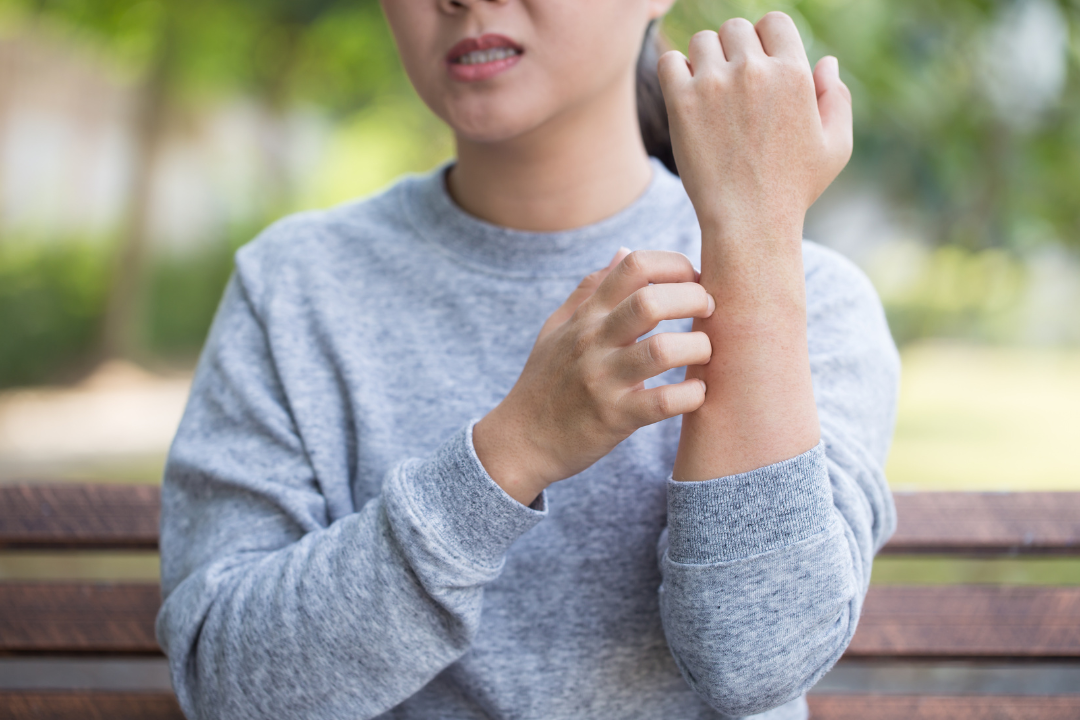
Winter in the mountains brings crisp air, cozy sweaters, and, unfortunately for many, uncomfortable skin issues. As temperatures drop and indoor heating kicks in, you might notice your skin becoming dry, itchy, and irritated. But how do you know if you're dealing with typical winter dryness or something more serious like eczema?
Understanding Winter Dry Skin
Dry skin (xerosis) is extremely common during winter months. The combination of cold outdoor air and dry indoor heating strips moisture from your skin, disrupting its protective barrier. You might notice:
Rough, flaky patches
Tightness, especially after washing
Mild itching
Dullness or ashiness
Fine cracks in the skin
Winter dryness typically affects areas most exposed to the elements—hands, face, and lips—though it can occur anywhere on your body. The good news? It usually responds well to consistent moisturizing and lifestyle adjustments.
What Makes Eczema Different?
Eczema (atopic dermatitis) is a chronic inflammatory skin condition that often worsens in winter but has distinct characteristics:
Intense, persistent itching that may interfere with sleep
Red, inflamed patches that may appear darker on melanin-rich skin
Small, raised bumps that may leak fluid when scratched
Thickened, scaly skin from repeated scratching
Skin that cracks and bleeds
Common locations: inner elbows, behind knees, hands, feet, face, and neck
Unlike simple dryness, eczema involves immune system dysfunction that causes inflammation beyond what environmental factors alone would produce. It often begins in childhood but can develop at any age, and tends to flare cyclically even with treatment.
Key Differences at a Glance
Winter Dry Skin:
Improves quickly with moisturizer
Mild to moderate discomfort
Triggered primarily by environmental factors
Affects exposed areas most
Eczema:
Requires more than basic moisturizing
Intense itching that affects quality of life
Triggered by multiple factors including allergens, stress, and genetics
Follows typical distribution patterns
May have personal or family history of allergies or asthma
When to See a Dermatologist
While over-the-counter moisturizers can help mild winter dryness, you should schedule an appointment at Dermatology of North Asheville if you experience:
Persistent Symptoms
If your skin hasn't improved after two weeks of consistent moisturizing and gentle care, it's time to seek professional evaluation.
Severe Itching
Itching that keeps you awake at night or interferes with daily activities needs medical attention.
Signs of Infection
Oozing, crusting, swelling, warmth, or pus may indicate your skin has become infected—a common complication when eczema or severely dry skin is scratched repeatedly.
Widespread Involvement
Large areas of affected skin or rapidly spreading rashes should be evaluated promptly.
Bleeding or Cracking
Deep cracks that bleed or don't heal suggest your skin barrier is severely compromised.
Impact on Quality of Life
If skin issues are affecting your sleep, work, or emotional well-being, don't wait to get help.
Treatment Approaches
For Winter Dry Skin:
Apply fragrance-free moisturizer immediately after bathing
Use lukewarm (not hot) water for showers
Limit bathing time to 5-10 minutes
Choose gentle, fragrance-free cleansers
Use a humidifier in your home
Protect skin from cold wind with appropriate clothing
Stay hydrated
For Eczema:
Professional treatment may include:
Prescription-strength moisturizers and barrier repair creams
Topical corticosteroids for inflammation
Non-steroidal prescription creams like topical calcineurin inhibitors
Oral medications for severe cases
Phototherapy
Identification and management of triggers
Customized skincare routines
Research shows that early intervention and consistent treatment can significantly improve eczema symptoms and prevent complications.
Why Professional Care Matters
At Dermatology of North Asheville, we can accurately diagnose your condition and develop a personalized treatment plan. What looks like simple winter dryness might actually be eczema, psoriasis, or another dermatological condition requiring specific treatment. We can also identify aggravating factors unique to our Asheville climate and lifestyle.
Left untreated, both severe dryness and eczema can lead to skin infections, scarring from chronic scratching, and significant discomfort. The good news is that with proper care, most people find substantial relief.
References
Lim, H. W., Collins, S. A. B., Resneck, J. S., Bolognia, J. L., Hodge, J. A., Rohrer, T. A., ... & Stein Gold, L. (2017). The burden of skin disease in the United States. Journal of the American Academy of Dermatology, 76(5), 958-972.
Thyssen, J. P., & Kezic, S. (2014). Causes of epidermal filaggrin reduction and their role in the pathogenesis of atopic dermatitis. Journal of Allergy and Clinical Immunology, 134(4), 792-799.
Proksch, E., Brandner, J. M., & Jensen, J. M. (2008). The skin: an indispensable barrier. Experimental Dermatology, 17(12), 1063-1072.
Bains, S. N., Nash, P., & Fonacier, L. (2019). Irritant contact dermatitis. Clinical Reviews in Allergy & Immunology, 56(1), 99-109.
Weidinger, S., Beck, L. A., Bieber, T., Kabashima, K., & Irvine, A. D. (2018). Atopic dermatitis. Nature Reviews Disease Primers, 4(1), 1-20.
